Low dust brake pads — China Factory-Direct Guide
Technical buyer's guide to low dust brake pads for commercial fleets: materials, testing, trade-offs, inspection checkpoints and China factory-direct procurement options.
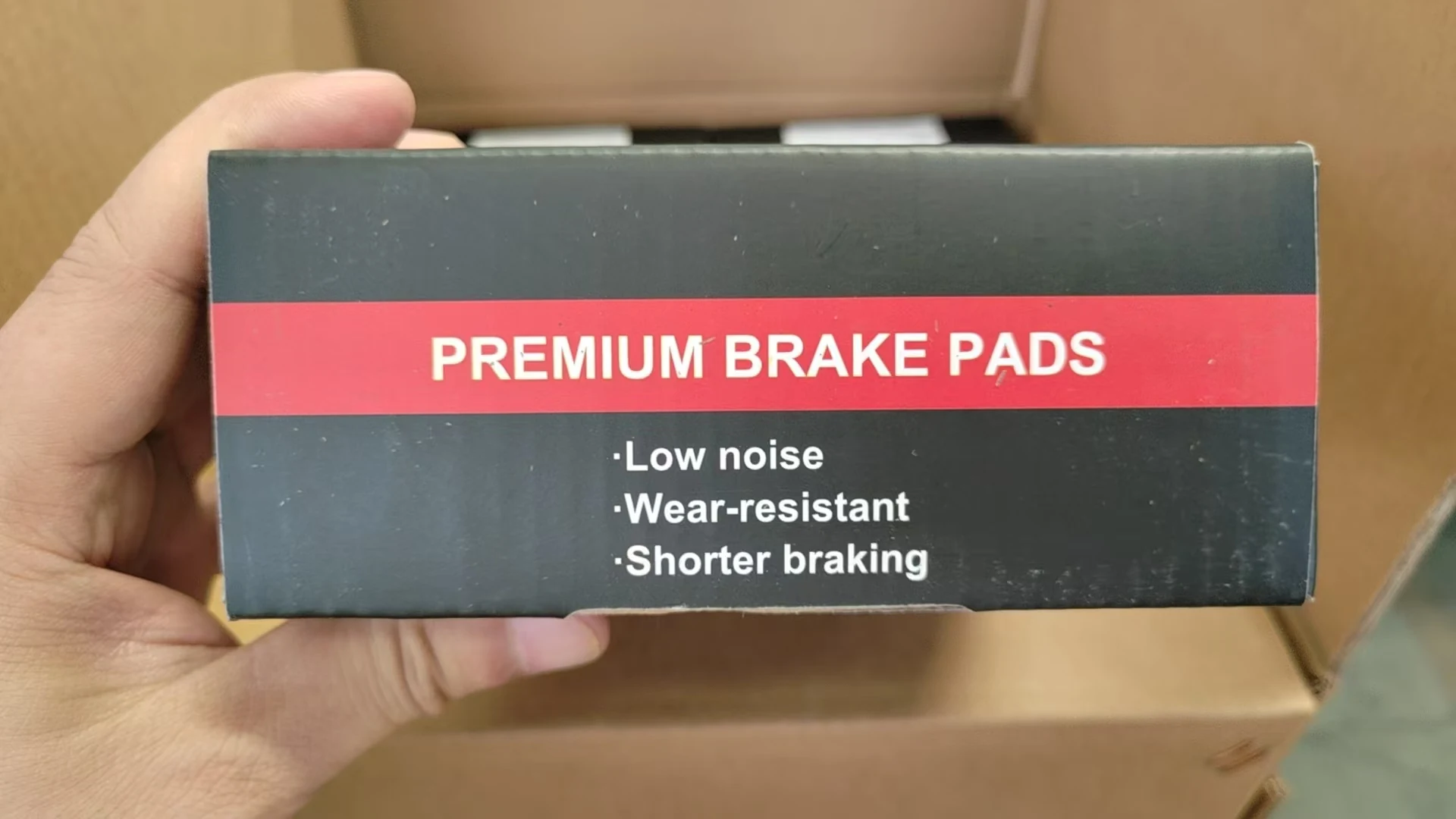
Quick Summary: Low dust brake pads use friction compounds and backing-plate finishes designed to reduce visible wheel deposits while maintaining required friction fade resistance and safety Buyers should verify supplier test reports for friction coefficient wear rate and emissions per SAE or ISO protocols and confirm fitment with. For bulk fleet procurement and commercial distribution, sourcing factory-direct container shipments from certified Chinese manufacturers provides 30–40% landed cost savings with full export compliance.
What are low dust brake pads and when to choose them
"Low dust" brake pads are formulations and designs that minimize the quantity and adhesion of brake wear particles that deposit on wheel surfaces. In commercial fleets and passenger-sensitive applications (rental vehicles, premium delivery vans, show vehicles), reduced visible dust lowers reconditioning and cosmetic maintenance costs. Selecting low dust pads is a trade-off: some low-dust compounds require balancing against wear rate, noise and thermal performance. Specify the target application (city stop-start vs long-haul, gross vehicle weight, wheel material) and require supplier test evidence before approval.
Materials and engineering approaches
Common approaches to reduce dust include refined organic and semi-organic friction compounds, optimized abrasive content, lightweight fiber fillers, and low-adhesion binding resins. Backing-plate coatings, shims and anti-squeal layers can reduce particle adherence to wheels and limit audible noise. For heavy-duty applications, ensure the compound's thermal stability and wear characteristics are tested at duty-cycle-relevant temperatures.
Trade-offs to inspect
- Wear rate: Low dust compounds sometimes wear faster; request dynamic wear test reports.
- Noise: Softer compounds can reduce dust but may change NVH (noise, vibration, harshness).
- Friction stability: Ensure consistent friction coefficient across temperature ranges.
- Compatibility: Confirm compatibility with rotors and OEM tolerances to avoid glazing or increased rotor wear.
Testing and specification checklist for procurement
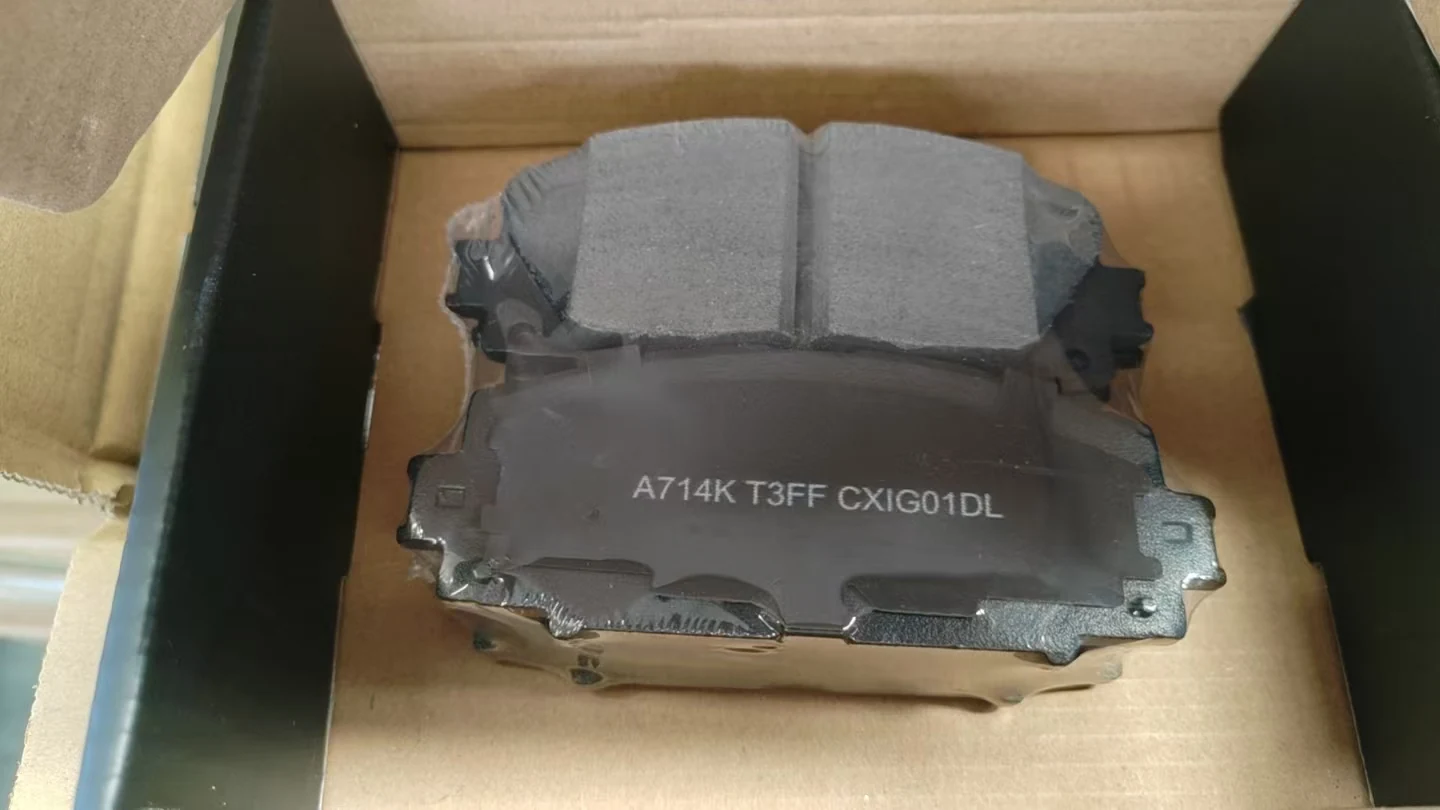
Demand the following documents and data from suppliers as part of technical due diligence:
- Friction coefficient and variability reports, specifying the test standard used (supplier should state SAE, ISO or equivalent protocol).
- Wear and fade test data at specified temperatures and pressures relevant to the vehicle class.
- Material composition and restricted substances declarations (RoHS/REACH where applicable).
- Endurance and field-test summaries for comparable fleet duty cycles.
- Fitment and dimensional drawings or CAD files for each SKU.
Buyer evaluation table — comparison criteria for low dust brake pads
| Criteria | Typical low-dust compound (commercial) | What to request from supplier |
|---|---|---|
| Dust generation (visual) | Low — engineered to reduce visible wheel residue | Photographic before/after and mass loss particle measurement per supplier test protocol |
| Noise (NVH) | Low-to-moderate — depends on backing/shim design | NVH test reports and evidence of anti-squeal treatments |
| Wear rate (pad & rotor) | Varies — some formulations trade longevity for dust reduction | Wear test curves under representative load and temperature |
| Thermal performance | Moderate to high — confirm suitability for duty cycle | Fade resistance and maximum operating temperature report (state test standard) |
| Regulatory / compliance | Supplier-specific — ECE R90 may apply for EU market | Material declarations, test standard references, and any regional certificates |
| Pricing | Request supplier quote | Inquire for container-volume pricing and sample/qualification price |
Inspection and factory quality control recommendations
For B2B purchases, include pre-shipment inspection and incoming goods checks in contracts. Key checkpoints: dimensional tolerances, bond integrity between friction material and backing plate, coating and paint thickness, presence and adhesion of anti-noise shims, and packaging integrity. Request production run sample testing (friction coefficient, wear, hardness) and consider third-party lab verification for initial lots.
Sourcing low dust brake pads from China: Quality Standards, MOQ & Container Logistics
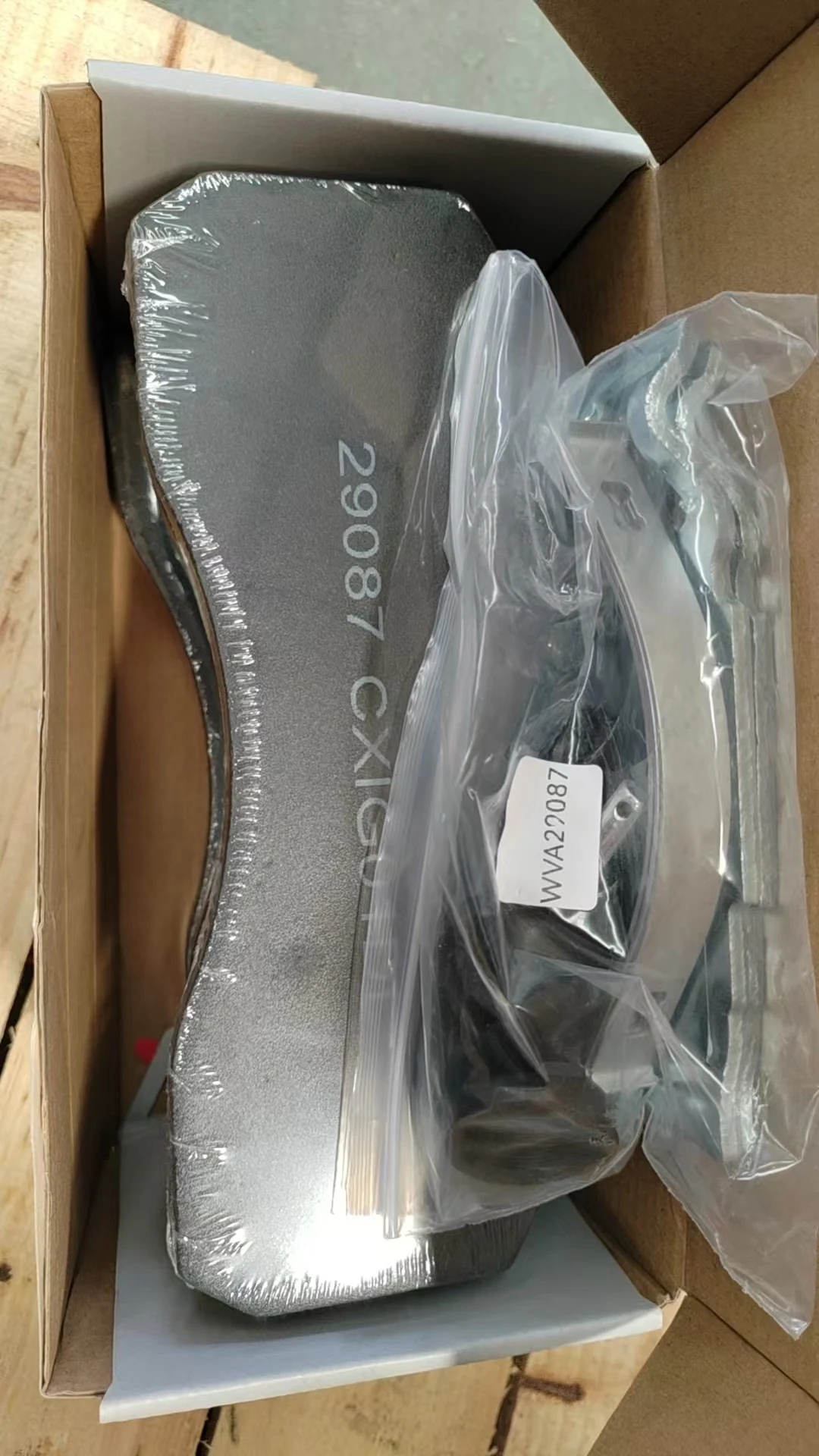
When sourcing from Chinese manufacturers, buyers typically request the supplier to provide material declarations, friction and wear test reports, and regional compliance evidence (for example ECE R90 documentation for European aftermarket sales). For the US market, confirm fitment and OEM compatibility; DOT does not issue a blanket brake-pad certification—buyers should verify regulatory obligations with counsel and ensure test reports reference recognized SAE or ISO procedures where possible.
MOQ: Chinese brake-pad factories commonly quote variable minimum order quantities depending on SKU complexity and tooling. Small pilot lots may be possible, but for competitive FOB or EXW container pricing, request FCL quotes. Mixed-container (multi-SKU palletized) options are commonly available; discuss palletization, slotting and labeling during the RFQ.
Lead times: Production lead time depends on compound, tooling and order size. Typical windows range from a few weeks for stocked SKUs up to several weeks for bespoke compounds or first-article production. Confirm lead times and expedite options in the purchase agreement.
Port terms and logistics: Common Chinese export ports used by component manufacturers include Qingdao and Ningbo; use these as examples when confirming shipping plans with suppliers. Specify Incoterms (FOB, CIF, DDP) and verify packaging, pallet weight and hazardous material declarations if any friction formulations require special handling.
Sample program and qualification path
Start with a controlled sample and test program: request dimensional samples, then instrumented dynamometer tests and a restricted field trial on representative vehicles. Define acceptance criteria for wear, friction stability and dust accumulation. Negotiate remedies for non-conforming lots and include sample retention and traceability clauses.
Conclusion and next steps
Low dust brake pads can reduce wheel cleaning and cosmetic maintenance costs for commercial fleets, but require careful evaluation of wear, friction stability and thermal performance. For procurement, request complete test papers, sample runs and clear packaging and labeling commitments. Ask suppliers for container-level pricing, palletization plans and sample/qualification timelines.
To advance procurement: prepare a detailed RFQ with test-standard requirements (state SAE or ISO methods expected), request pilot samples, and obtain pre-shipment inspection and certificate copies before acceptance.
Discuss your brake parts program
Share your OE references, quantities, destination market and packaging requirements for a factory review.
Request a quotation
Connect with our export team
Scan or use the channels below for product and quotation support.